
Construction Surveying Becomes More Important When Projects Refuse to Stay Simple
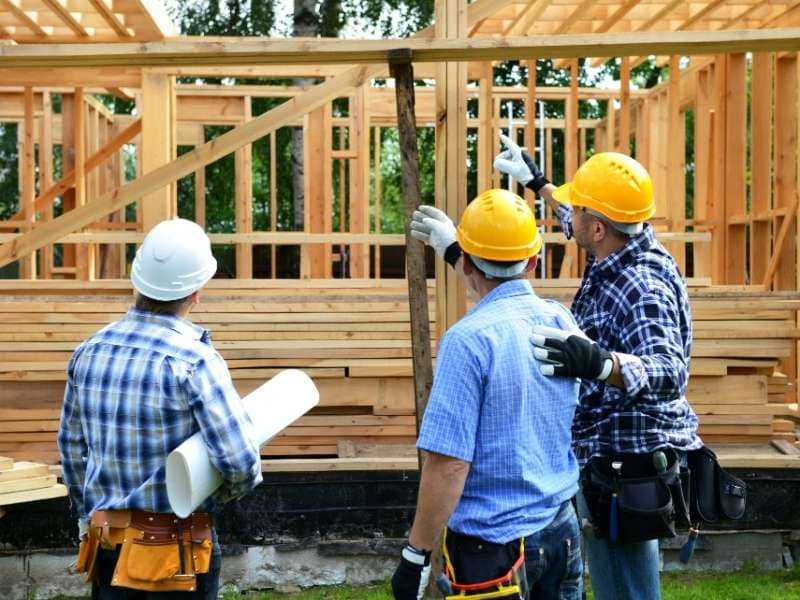
Some projects finish exactly the way they were drawn. Most don’t. A wall moves six feet. A client wants a second entrance. The grade turns out to be nothing like what anyone expected. Construction surveying was already part of the plan before any of that happened, but by the time a project starts growing in directions nobody fully anticipated, it becomes the thing that holds everything together.
The Original Plan Rarely Gets the Last Word
Every project starts on paper, and on paper, everything fits. The lines are clean, the numbers add up, and the sequence makes sense. Then the first crew shows up and the site has other ideas.
Soil conditions change what’s possible underground. A neighbor’s property line sits closer than the early sketches assumed. The client walks the site for the first time and asks whether the building could shift slightly to catch a better view. None of these things are failures. They’re just reality showing up to the meeting, and the project has to respond.
This is normal. Anyone who’s worked on a real construction project for more than a week already knows this. Plans are starting points, and good teams treat them that way, staying flexible enough to adapt without losing track of where the project is supposed to land.
Complexity Usually Arrives One Decision at a Time
Nobody wakes up and decides to make a project complicated. It happens gradually, one reasonable choice at a time, and by the time anyone notices, the original design has collected a dozen additions that weren’t part of the first conversation.
A retaining wall gets added to handle a grade problem. Then a second access point gets drawn in to improve traffic flow. Then the building footprint shifts slightly to accommodate a mechanical room that didn’t exist in the original program. Each of those decisions made sense on its own. Together, they’ve changed the project considerably, and every change has to be measured, documented and reflected in how the site is laid out.
This is where construction surveying earns its place. Every adjustment on a project has a physical location attached to it, and that location has to be established accurately before work can proceed. As decisions accumulate, so does the need for reliable reference information on the ground.
Bigger Projects Often Grow Out of Smaller Ideas
A lot of the most interesting built projects started out as something much smaller. A single building becomes a campus. A simple access road turns into a full site with parking, drainage infrastructure and lighting. An owner who initially wanted a modest structure starts seeing what’s possible once the land gets cleared and the footprint gets staked out.
Growth like that isn’t a problem. It’s often a sign that a project is going well, that the owner has confidence in what’s being built and wants more of it. What changes is the level of coordination required to keep everything accurate as the scope expands.
More area to cover means more reference points to establish and verify. More trades working simultaneously means more chances for one crew’s work to affect another’s. A project that started small but grew into something larger needs the same quality of survey control as a large project that was always planned that way.
Good Coordination Becomes More Valuable as Plans Evolve
When a project is simple, coordination is easy. There aren’t many moving pieces, the sequence is clear, and everyone knows what comes next. When a project grows or changes direction, coordination gets harder fast.
Different contractors work from different reference points if nobody establishes a common framework. A foundation crew and a utility crew can both be working from their own measurements and still end up three feet apart from where they need to be. On a small project with forgiving tolerances, that might not matter much. On anything larger or more precise, it creates rework.
Construction surveying gives every crew on the site a shared reference system to work from. These are some of what that coordination typically covers as a project evolves:
- Updated control points when site conditions or design changes shift the original reference framework
- Layout verification at key stages before work that’s hard to reverse gets locked in
- Grade checks to confirm that drainage and finished surfaces match the design as it stands now, not as it stood six months ago
- Documentation of field changes so the record reflects what was actually built
The value of that shared reference grows as the project does. The more people working, the more it matters that they’re all working from the same numbers.
Finished Buildings Tell a Longer Story Than Blueprints
A completed building doesn’t show you every decision that went into it. It shows you the result. The wall that moved, the entrance that got added, the footprint that shifted two feet to the east, none of that is visible once everything is finished and occupied. What’s visible is a structure that works, or one that has problems nobody caught in time.
The difference between those two outcomes often comes down to how well the project tracked its own changes. Construction surveying keeps a running record of where things are as the project evolves, so the final product reflects all the decisions that shaped it rather than just the ones in the original design. That matters most when a project has grown well past what anyone initially sketched out, because at that point, the blueprints are a starting point and not much more.
Frequently Asked Questions
Why do construction projects often become more complicated over time?
Changes in priorities, site conditions and design adjustments add up gradually, and each one requires the project to adapt and track the new information accurately.
Does a larger project always begin with a large plan?
No, many developments start with straightforward ideas that expand as owners and builders see new possibilities once work is underway.
Why is coordination important during construction?
When multiple crews work from different reference points, small gaps can compound into costly errors. Good coordination keeps everyone working from the same verified information.
How does construction surveying support evolving projects?
Construction surveying provides updated, accurate reference information as designs change, so teams can adapt without losing track of where everything needs to land.
Is changing a project always a sign of problems?
No. Many successful projects evolve as owners refine their goals and teams respond to real site conditions. What matters is that changes get tracked and managed accurately.